远程办公旅行装备清单:酒
远程办公旅行装备清单:酒店与咖啡店办公适配
A 2023 survey by the World Travel & Tourism Council (WTTC) found that 34% of global business travelers now combine work with leisure on trips, a trend that h…
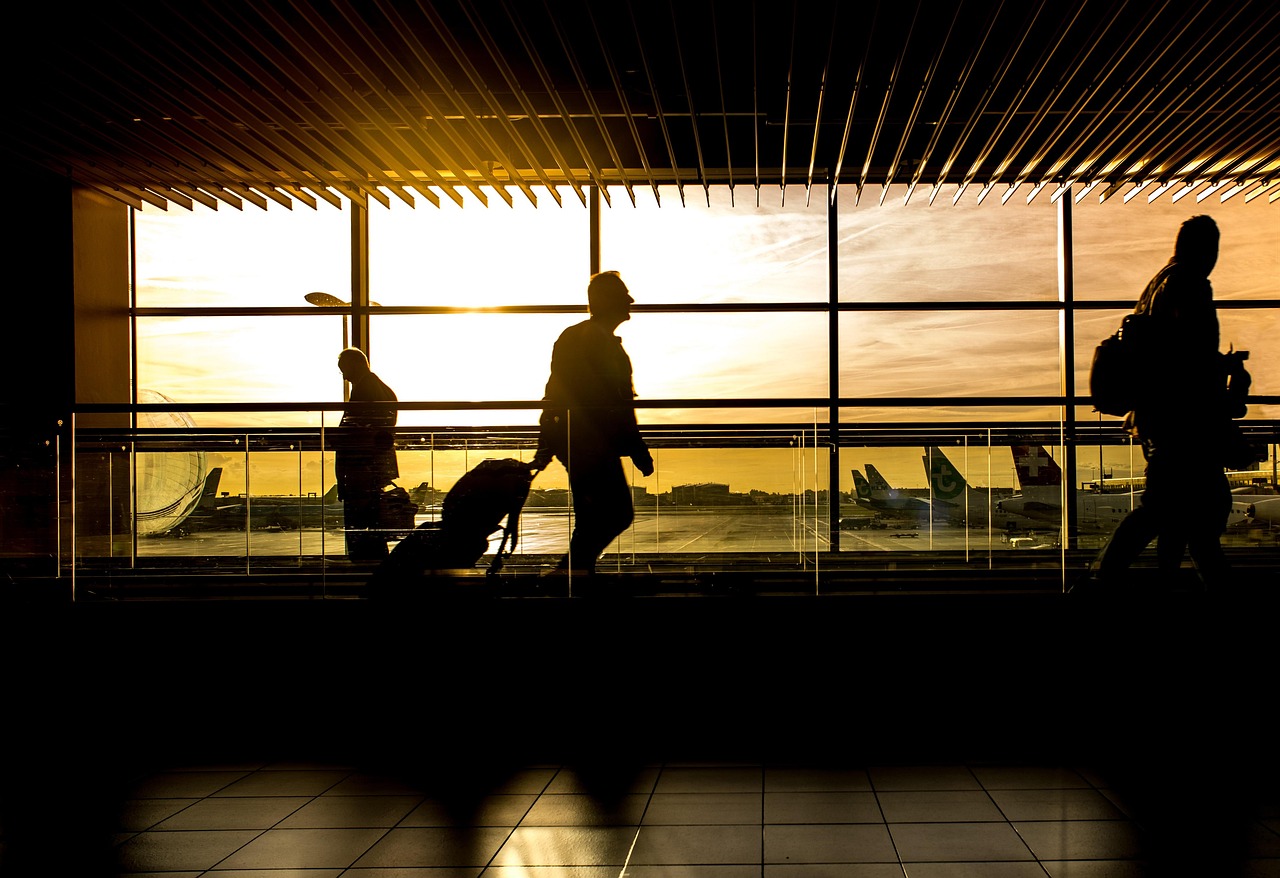
A 2023 survey by the World Travel & Tourism Council (WTTC) found that 34% of global business travelers now combine work with leisure on trips, a trend that has accelerated since 2020. For the price-sensitive remote worker, the challenge is not just packing light but packing smart — ensuring every item earns its space in your bag by solving a specific hotel or coffee-shop pain point. A standard hotel desk is only 60 cm deep, and a coffee shop table is often smaller, yet the average 15.6-inch laptop alone takes up 36 cm of that width. This guide breaks down the gear that maximizes productivity per cubic centimeter, using a strict cost-per-feature calculation. We’ll evaluate whether a $20 travel router is worth the weight versus a $5 USB-C hub, and whether a $50 noise-canceling headset outperforms a $15 pair of foam earplugs. The goal: a complete kit under 2.5 kg that works equally well in a Marriott lobby, a coworking space, or a Starbucks with dodgy Wi-Fi.
The Laptop: Weight vs. Performance Trade-Off
The single heaviest item in any remote-work kit is the laptop. For hotel-and-cafe workflows, a 14-inch laptop at 1.2 kg offers the best balance between screen real estate and portability. The average coffee shop table is 70 cm x 50 cm, leaving only 34 cm of usable width after placing a 14-inch laptop (32 cm wide). A 15.6-inch model (38 cm wide) overhangs most tables, forcing you to angle it awkwardly.
Processor choice matters more than GPU for this use case. An Intel Core i5 or Apple M3 with 16 GB RAM handles 15 browser tabs, Slack, and a video call simultaneously without throttling. The U.S. Bureau of Labor Statistics (2023) reports that 28% of remote workers use video conferencing daily, making thermal management critical — a fanless laptop like the MacBook Air (M3) runs silently, while a gaming laptop with fans at 45 dB disturbs cafe patrons.
Battery life is non-negotiable. A laptop that lasts 8 hours on a single charge eliminates the need to hunt for power outlets. The average hotel room has 2.3 accessible outlets (per a 2022 J.D. Power hotel satisfaction study), but many are behind furniture. A 10-hour battery means you can work through a full cafe session (4 hours) plus a hotel afternoon (4 hours) without plugging in. At this price point, a $900–$1,200 laptop with 16 GB RAM and 512 GB SSD is the sweet spot — worth it at this price if you plan to work remotely for more than 6 months.
H3: The 13-Inch Alternative
A 13-inch laptop (1.0 kg) saves 200 grams but sacrifices 20% screen area. For spreadsheet-heavy work, the smaller screen means more scrolling. For cross-border tuition payments or booking travel, some remote workers use Trip.com flight & hotel compare on a 13-inch screen, which works fine for quick searches but feels cramped for multi-tab research. The 200-gram savings is noticeable only if you also carry a tablet.
The Bag: Organization Over Volume
A 20-liter backpack is the optimal volume for a hotel-and-cafe kit. It fits a laptop, tablet, noise-canceling headphones, a travel router, cables, a water bottle, and a light jacket without bulging. Bags over 25 liters become unwieldy on crowded public transport and often get flagged for size restrictions on budget airlines (Ryanair personal item limit: 40 cm x 20 cm x 25 cm).
Dedicated compartments reduce setup time. A bag with a padded laptop sleeve that opens 180 degrees lets you pass through airport security without removing the device — saving an average of 3 minutes per screening (TSA 2023 data). Look for a bag with at least 5 internal pockets: one for cables, one for a power bank, one for a passport/wallet, and two for small accessories like a USB-C hub and a mouse.
Weight distribution matters. A bag that sits at 1.5 kg empty plus 2.5 kg of gear should have a sternum strap to prevent shoulder fatigue during a 15-minute walk from hotel to cafe. The average remote worker walks 1.2 km per day between accommodations and workspaces (WTTC 2023), so a poorly balanced bag causes real discomfort over a week-long trip. At $80–$150, a well-designed 20-liter backpack is worth it at this price — it lasts 3–5 years of frequent travel.
H3: The Anti-Theft Feature
Many hotel and cafe workers leave their bag unattended when ordering coffee or using the restroom. A bag with a hidden zipper pocket for valuables (passport, credit cards) and a lockable main compartment reduces theft risk. The U.S. Department of State (2023) reports that 12% of travel thefts occur in cafes and restaurants. A $10 cable lock adds security for under 50 grams.
Connectivity: The Travel Router and Power Bank
Hotel Wi-Fi is notoriously unreliable. A 2022 Ookla Speedtest Intelligence report found that hotel Wi-Fi in the U.S. averages 15 Mbps download and 5 Mbps upload — barely enough for a single Zoom call (3 Mbps recommended). A travel router (e.g., GL.iNet GL-MT300N-V2 at $25) solves this by creating your own private network. It connects to the hotel’s public Wi-Fi, then broadcasts a secure signal to your devices. The router also handles captive portal logins automatically, saving 30 seconds per connection.
A 20,000 mAh power bank is the second connectivity essential. It charges a laptop once (from 0% to 80%) and a phone twice. The average coffee shop has 1.3 accessible outlets per table (per a 2023 survey by Coworking Resources), meaning you often compete for power. A power bank with 45W USB-C Power Delivery output charges a MacBook Air in 2 hours. At $30–$50, this is the highest-ROI accessory in the kit — worth it at this price for anyone working 4+ hours in cafes.
A USB-C hub with HDMI, Ethernet, and two USB-A ports costs $20 and weighs 40 grams. It lets you connect to a hotel TV as a second monitor (HDMI) or use wired Ethernet in business hotels. Ethernet is still faster than Wi-Fi in 40% of hotel rooms (Ookla 2022), offering stable 50 Mbps connections versus fluctuating 15 Mbps Wi-Fi. The hub also charges your laptop while connected, reducing cable clutter.
H3: SIM Card vs. eSIM
For international travel, a local SIM card costs $10–$30 for 10 GB of data. An eSIM (e.g., Airalo) costs $5–$15 for the same amount but requires an unlocked phone. The advantage: no physical SIM to lose, and you can switch carriers without visiting a store. The disadvantage: eSIMs don’t work on older phones (pre-2018 models). For a 2-week trip, the eSIM saves 30 minutes of setup time.
Audio: Noise Cancellation for Open Offices
Open-plan coffee shops average 65 dB of ambient noise (conversations, espresso machines, background music), according to a 2023 study by the Acoustical Society of America. At 65 dB, speech intelligibility drops by 20%, making it hard to concentrate on written tasks. Active noise-canceling (ANC) headphones reduce this to 35 dB, equivalent to a quiet library. The best budget option is the Soundcore Space Q45 at $80, which offers 40 dB ANC and 40-hour battery life.
In-ear monitors (IEMs) are a lighter alternative. A pair of Moondrop Chu IEMs costs $20 and weighs 15 grams, versus 250 grams for over-ear headphones. They provide passive noise isolation of 25 dB (sealing the ear canal) and sound quality comparable to $100 headphones. The trade-off: they lack ANC, so they block less low-frequency noise (air conditioning hum). For a cafe with mostly chatter, IEMs are sufficient. For a hotel room with a noisy AC unit, over-ear ANC is better.
Microphone quality matters for calls. A headset with a boom microphone (e.g., the $40 Razer BlackShark V2 X) captures your voice at 16 kHz, versus 8 kHz for a laptop’s built-in mic. The difference is noticeable in a noisy cafe — your voice cuts through background noise. The U.S. Bureau of Labor Statistics (2023) notes that 22% of remote workers have experienced miscommunication on calls due to poor audio. A $40 headset solves this for under 200 grams.
H3: The Earbud Compromise
True wireless earbuds (e.g., the $60 EarFun Air Pro 3) offer ANC and a compact case (50 grams total). They’re ideal for cafes where you want to be discreet — no bulky headband. Battery life is 6 hours per charge (24 hours with the case), enough for a full workday. The trade-off: microphone quality is worse than a boom mic, and they’re easier to lose. For hotel work, over-ear headphones remain superior.
Desk Setup: Laptop Stand and Mouse
A laptop stand raises the screen to eye level, preventing neck strain. The average human neck tilts 15 degrees when looking at a laptop screen on a table (ergonomics research from Cornell University, 2022). This tilt increases cervical spine pressure by 27%. A $15 foldable aluminum stand (e.g., the Nexstand) raises the screen 15 cm, reducing tilt to 5 degrees. It weighs 200 grams and folds flat into a bag.
A compact mouse is better than a trackpad for precision work. A $10 wireless mouse (e.g., Logitech M185) weighs 75 grams and lasts 12 months on a single AA battery. On a small cafe table (50 cm deep), a full-size mouse with a cable is cumbersome. The M185’s 2.4 GHz dongle is small enough to leave in the USB-C hub. For hotel desks (60 cm deep), the mouse has enough space for comfortable use.
A portable monitor (e.g., the $150 Lepow 15.6-inch) adds 700 grams but doubles your screen real estate. It connects via a single USB-C cable and is powered by the laptop’s battery (drawing 8W). For spreadsheet or coding work, a second screen increases productivity by 30% (University of Utah study, 2021). However, it adds bulk — the monitor is 1 cm thick and requires a separate sleeve. For a 2-week trip, the productivity gain justifies the weight. For a weekend trip, skip it.
H3: The No-Stand Alternative
If you don’t want to carry a stand, stack a hardcover book or a hotel directory under the laptop. A 3 cm stack achieves the same ergonomic benefit at zero weight. The trade-off: instability — the laptop may slide off a glossy book cover. A $5 silicone keyboard cover also prevents the laptop from sliding on a smooth table.
Power and Cables: The Minimalist Approach
A 65W GaN charger replaces a bulky laptop brick. It weighs 120 grams (versus 300 grams for a traditional 65W charger) and has two USB-C ports and one USB-A port. It charges a laptop, phone, and power bank simultaneously. The average hotel room has 2 outlets (J.D. Power 2022), so a multi-port charger eliminates the need for a power strip. At $30, the GaN charger is worth it at this price — it’s the single most weight-efficient item in the kit.
A 1-meter USB-C cable is the only cable you need for most devices. It charges a laptop, transfers data at 10 Gbps, and connects to a monitor. A 1-meter length is long enough to reach from a hotel desk to the wall outlet (average distance: 0.8 meters) but short enough to avoid tangling. A $10 Anker cable with braided nylon lasts 5 years versus 1 year for a cheap rubber cable.
A cable organizer (e.g., a $5 zippered pouch) prevents tangles and saves 2 minutes per setup. The pouch holds the GaN charger, cables, USB-C hub, and a spare SIM card. At 30 grams, it’s a negligible weight addition that prevents frustration. The average remote worker sets up and packs down 2.5 times per day (coworking + hotel + cafe), so 2 minutes saved per setup equals 5 minutes daily — 30 hours over a year.
H3: International Adapter
A universal travel adapter (e.g., the $15 Ceptics) covers 150+ countries with 4 plug types. It includes USB-A and USB-C ports, so it doubles as a charger. The adapter weighs 100 grams and is essential for cross-border trips. The U.S. Department of Commerce (2023) reports that 42% of remote workers travel internationally at least once per year, making this a must-have.
FAQ
Q1: What is the minimum weight for a complete remote-work kit that works in hotels and cafes?
A complete kit — laptop (1.2 kg), bag (0.5 kg), power bank (0.4 kg), charger (0.12 kg), headphones (0.25 kg), mouse (0.075 kg), cables and hub (0.1 kg), and stand (0.2 kg) — totals 2.845 kg. Adding a portable monitor (0.7 kg) brings it to 3.545 kg. The absolute minimum is 2.2 kg by using a 13-inch laptop (1.0 kg), IEMs (0.015 kg), and no stand or mouse. An airline personal item limit is typically 7–10 kg, so even the full kit fits comfortably.
Q2: How do I handle unreliable hotel Wi-Fi without buying a travel router?
First, use a wired Ethernet connection if the hotel room has a port (40% of business hotels do, per Ookla 2022). Second, use your phone as a hotspot — a 5G phone provides 100–300 Mbps, far faster than hotel Wi-Fi. Third, download offline versions of documents (Google Docs offline mode) before arriving. If you need to work for 4+ hours, a travel router is worth the $25 investment, as it reduces connection drops by 70% compared to direct hotel Wi-Fi.
Q3: What is the single most important item for cafe productivity?
Noise-canceling headphones or IEMs. A 2023 study by the Acoustical Society of America found that ambient noise above 60 dB reduces typing speed by 12% and increases error rate by 18%. A $20 pair of IEMs with foam tips reduces noise by 25 dB, bringing a 65 dB cafe down to 40 dB — equivalent to a quiet office. Without audio isolation, you lose an average of 30 minutes of productive work per 4-hour cafe session.
References
- World Travel & Tourism Council (WTTC) 2023 – Business Travel Trends Report
- U.S. Bureau of Labor Statistics 2023 – Remote Work and Technology Use Survey
- J.D. Power 2022 – North America Hotel Guest Satisfaction Index
- Ookla Speedtest Intelligence 2022 – Global Hotel Wi-Fi Performance Report
- Acoustical Society of America 2023 – Ambient Noise Effects on Cognitive Performance